
I’m David Miller, an arborist and the owner of Austin Tree Services Tx. I’ve spent years working hands-on with trees—removing hazardous ones, grinding stubborn stumps, and helping homeowners keep their landscapes safe and looking their best.

In this blog, I share what I’ve learned in the field—the kind of practical, no-nonsense advice you only get by getting your hands dirty. Whether you’re dealing with a risky tree or just planning ahead, I aim to give you straight answers you can rely on.

Blog, Tree Planting

9 best tree species to plant in Texas?

Texas is not one climate. It is eight ecosystems stacked side by side — alkaline limestone caliche in the Hill Country, heavy black clay in North Texas, sandy loam in East Texas, hyper-arid desert in the Trans-Pecos, subtropical humidity in the Rio Grande Valley. A tree that thrives in Georgetown can fail completely in Galveston. One that dominates in San Antonio will struggle in Amarillo. That geographic reality is the first thing most tree-planting guides ignore. They hand you a list of species with a paragraph of praise each and send you to the nursery. You pick something that looks beautiful on the tag, plant it in soil it cannot tolerate, and wonder three years later why it never really grew — or why it grew too fast, lifted your foundation, and now needs to come down. This guide is different. For each of the nine species covered here, you will find the actual conditions they require, the problems they create when planted in the wrong spot, how fast they grow, how large they get, what diseases and pests threaten them in Texas specifically, and what kind of ongoing maintenance they demand. The goal is not to sell you on a tree. The goal is to help you choose the right one for your property, your region, and your long-term plans — and then keep it alive and healthy once it is in the ground. Before you read the species profiles below, consider two upstream questions that will determine which trees belong on your shortlist at all: what factors matter most when selecting trees for your specific Texas property, and what mature size is appropriate for your lot. Both will narrow the list considerably. How Texas Soil and Climate Shape Every Tree Decision Central Texas — the area around Austin, Round Rock, Cedar Park, Georgetown, and the surrounding Hill Country — sits on the Edwards Plateau. The soil here is thin, rocky, and extremely alkaline, often with a pH between 7.5 and 8.5. Beneath that thin layer is caliche: a hardened calcium carbonate layer that blocks deep root development and drains poorly when it forms a solid pan. This matters enormously for tree selection. Species that evolved in acidic, deep, loamy soil — pin oaks, sweetgums, many maples — struggle badly here. They grow slowly, show chronic iron chlorosis (yellowing leaves from iron deficiency caused by high pH), and often die before reaching maturity. The Texas Hill Country also sits in USDA Hardiness Zones 8a to 8b, meaning winter lows of 10°F to 20°F are possible. Summer temperatures regularly exceed 105°F. Evapotranspiration rates are extremely high. Periods of drought lasting multiple years — like the 2011 drought, which killed an estimated 300 million trees across Texas — are a documented pattern, not an anomaly. Any tree you plant needs to have genuine drought tolerance, not just marketing-copy drought tolerance. East Texas operates in an entirely different environment: acidic, sandy, loamy soils, higher rainfall, and more forested conditions similar to the American South. North Texas introduces clay-heavy black Vertisol soils that shrink and crack in dry periods and become waterlogged in wet ones. The Coastal Bend deals with salt spray, high humidity, and periodic flooding. Matching the tree to the actual soil and climate conditions where you live — not just “Texas” in general — is the single most important factor in long-term success. Successful tree planting looks different in different Texas regions, and understanding those differences before you buy is non-negotiable. 1. Live Oak (Quercus virginiana) Live Oak is the dominant canopy tree of Central Texas for good reason. It is genuinely adapted to the limestone-based, alkaline soils of the Edwards Plateau. It is evergreen — it does not drop all its leaves in winter, though it does shed and replace them in early spring. Its massive spreading canopy, which can reach 60 to 80 feet wide at maturity, makes it one of the most effective shade trees you can plant in this region, and reducing summer cooling costs through strategic shade placement is one of the strongest financial arguments for planting large-canopy species. Mature size: 40 to 60 feet tall, 60 to 80 feet wide. This is a large tree. Planting it within 20 feet of a foundation, septic system, or utility line is a problem you are setting up for the future. Growth rate: Moderate to fast in good conditions. Established Live Oaks in Central Texas can put on 2 to 3 feet per year in height during active growth phases. Soil requirements: Tolerates the alkaline, rocky, clay-loam soils of the Hill Country better than almost any other large tree. Prefers well-drained sites. Does not tolerate standing water or compacted caliche with no drainage. Critical disease threat — Oak Wilt: This is non-negotiable knowledge for anyone planting a Live Oak in Central Texas. Oak Wilt (Bretziella fagacearum) is a fungal disease that moves through root grafts between neighboring Live Oaks and through sap-feeding beetles that carry fungal spores. It is fatal. It spreads through entire groves. The primary prevention measure is to never prune Live Oaks between February and June, when sap-feeding beetles are most active. All pruning cuts should be immediately sealed with wound paint. If you see a neighbor’s Live Oak dying with wilted, brown leaves still attached, it may be Oak Wilt, and your trees could be at risk through underground root connections. Knowing how to identify early disease symptoms can mean the difference between losing one tree and losing every Live Oak on your property. Root behavior: Live Oak roots are extensive and surface-feeding. They will find irrigation lines, septic fields, and pathways. Monitoring for root-related foundation movement is especially important for Live Oaks planted close to structures. Maintenance needs: Regular structural pruning is important for young Live Oaks to establish good branch architecture. Without early intervention, co-dominant stems (two equally-sized leaders competing for dominance) develop and create weak attachment points that fail in storms. Structural pruning matters most in the first decade.
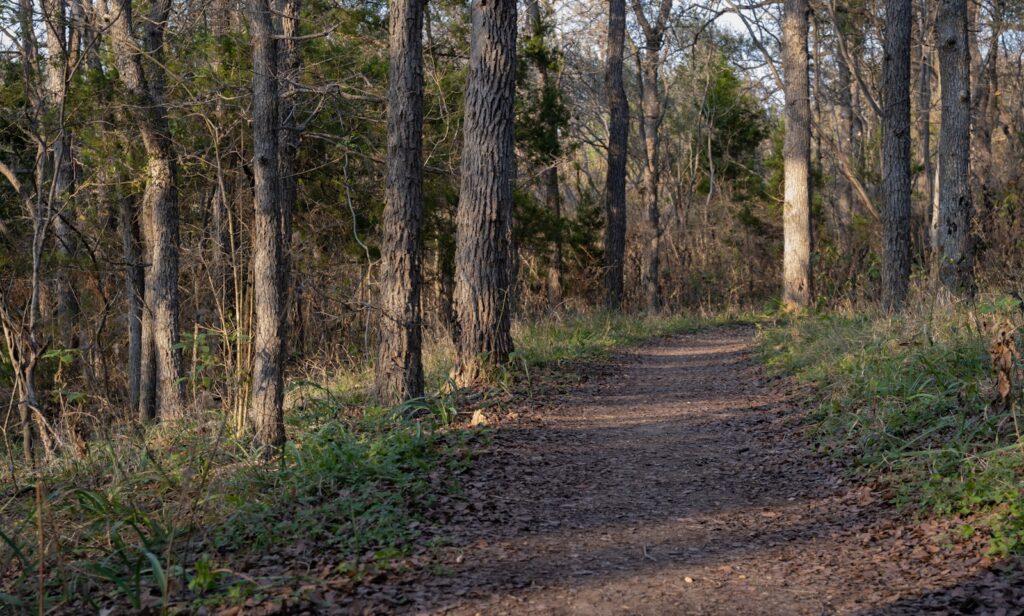
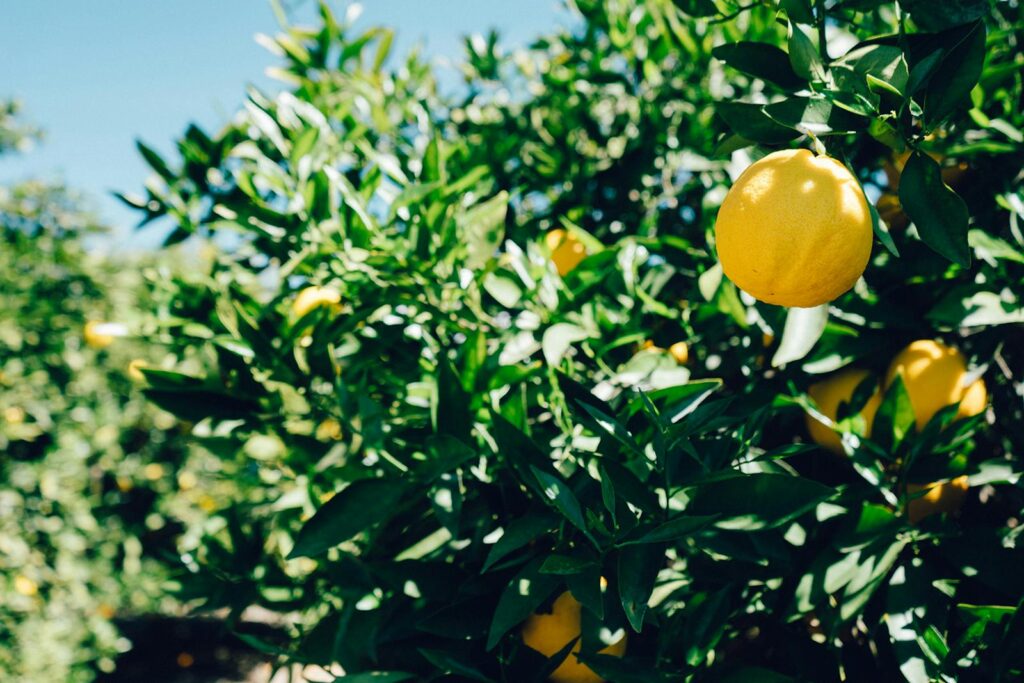
a dirt path in the middle of a forest
Blog

Best Fruit Tree To Grow in Austin Texas?

The best fruit tree to grow in Austin, Texas is the peach tree. Peach trees thrive in the warm climate and well-drained soil of the region, making them a top choice for home gardeners in Austin. Pecan trees are well-suited for Austin, Texas when it comes to nut trees. Pecans thrive in the warm climate and alkaline soils of the region, making them a popular choice for nut tree cultivation. Their delicious and nutritious nuts make them an excellent addition to home gardens in Austin. Austin, Texas, offers an ideal environment for a diverse range of trees, each uniquely suited to the region’s warm climate and well-drained soils. In this guide, we’ll explore ten trees that thrive in Austin, providing homeowners and landscapers with options for creating beautiful and sustainable green spaces. Oak is an excellent choice for Austin landscapes. Thriving in well-drained soils, it provides year-round greenery and contributes to the aesthetic appeal of outdoor spaces. Nestled in the heart of Texas, Austin boasts a climate and soil composition that creates an ideal habitat for a variety of trees. These trees not only contribute to the region’s aesthetic appeal but also play a crucial role in fostering a sustainable and green environment. In this comprehensive guide, we will delve into the unique characteristics of ten trees that thrive in Austin, offering homeowners and landscapers a palette of options to enhance the local scenery. Live Oak (Quercus virginiana) The Live Oak stands as an iconic and enduring symbol of Austin. Characterized by its evergreen foliage and expansive canopy, this majestic tree thrives in the region’s hot and dry conditions. Its resilience makes it a preferred choice for residential yards, public parks, and streetscapes, providing shade and beauty throughout the year. Pecan (Carya illinoinensis) The Pecan tree, renowned for its delectable nuts, holds a special place in the hearts of Austinites. This tree flourishes in Austin’s sunlight-rich environment and well-drained soils. Beyond its aesthetic value, the Pecan tree provides a valuable food source, making it a practical and delightful addition to both urban and rural landscapes. Texas Redbud (Cercis canadensis var. texensis) Adding a burst of color to Austin’s landscape, the Texas Redbud is a captivating ornamental tree. Its vibrant pink or lavender flowers, which grace the branches in spring, contribute to the city’s visual allure. Drought-tolerant and adaptable, the Texas Redbud is an excellent choice for homeowners seeking a tree that combines beauty with resilience. Crepe Myrtle (Lagerstroemia spp.) The Crepe Myrtle is a beloved tree in Austin, celebrated for its enchanting summer blooms that come in a variety of colors. Excelling in the city’s hot climate and well-drained soils, this versatile tree is often chosen for its ornamental value, enhancing gardens, streetscapes, and public spaces with its elegant and vibrant presence. Bald Cypress (Taxodium distichum) The Bald Cypress, a deciduous conifer, offers a distinctive appearance with its feathery foliage. Versatile and adaptable, this tree thrives in both wet and dry conditions, providing Austin with a unique contribution to its diverse urban forestry. Its presence adds a touch of charm and ecological diversity to the local landscape. Mexican Sycamore (Platanus mexicana) The Mexican Sycamore, with its large deciduous stature and appealing foliage, is a prominent tree in the Austin landscape. Tolerant of the region’s heat and drought, this tree not only contributes to the visual aesthetics of parks and neighborhoods but also stands as a resilient symbol of the city’s commitment to sustainable landscaping practices. Chinquapin Oak (Quercus muehlenbergii) Drought-tolerant and adorned with distinctive leaves, the Chinquapin Oak is a resilient oak species well-suited for Austin’s alkaline soils. Its elegant appearance and adaptability make it a popular choice, adding both beauty and ecological significance to the city’s green spaces. Chinese Pistache (Pistacia chinensis) The Chinese Pistache stands out for its breathtaking fall foliage, painting Austin’s autumn landscape with vibrant hues. Adaptable to warm climates and alkaline soils, this deciduous tree offers not only visual appeal but also a seasonal spectacle that enhances the diversity of the city’s urban forestry. Monterrey Oak (Quercus polymorpha) The evergreen Monterrey Oak graces Austin with glossy leaves, contributing to the city’s year-round greenery. Thriving in well-drained soils, this oak variety not only provides shade and aesthetic appeal but also symbolizes the enduring nature of Austin’s commitment to preserving its natural beauty. Southern Magnolia (Magnolia grandiflora) Closing our list is the Southern Magnolia, an evergreen tree that adorns Austin with large, fragrant white flowers. Flourishing in Austin’s climate, this magnolia species offers year-round interest, providing both visual beauty and a touch of aromatic charm to gardens, parks, and residential areas. Incorporating these diverse trees into Austin’s landscape not only adds to its visual splendor but also fosters a sense of environmental responsibility. When selecting and planting these trees, considering factors such as soil composition, sunlight exposure, and water requirements ensures their optimal growth and long-lasting contribution to Austin’s rich and diverse urban forestry.

Lemon tree in austin texas
Blog

How Do You Take Care Of A Lemon Tree In Texas?

Lemon trees (Citrus limon) are a popular addition to many Texas gardens, providing not only lush greenery but also a bountiful harvest of refreshing citrus fruits. However, successful cultivation requires careful attention to specific considerations tied to the Texan climate. In this guide, we’ll explore the key steps to ensure your lemon tree thrives in the Lone Star State. Choosing the Right Lemon Tree for Texas When embarking on the journey of growing a lemon tree in Texas, the first crucial step is selecting the right variety. Varieties like Eureka and Lisbon are popular choices for their adaptability to the Texan climate. These lemon trees thrive in well-draining soil, making it essential to consider your garden’s soil type and drainage capacity. If you have heavy clay soil, amend it with organic matter to improve drainage and fertility, creating an ideal environment for your lemon tree to flourish. Planting and Location Timing and location play pivotal roles in ensuring the successful establishment of a lemon tree. Optimal planting time in Texas is during late winter or early spring when the soil is workable. Choose a sunny location for your lemon tree, providing it with a minimum of 8 hours of sunlight daily. Adequate spacing, typically between 12 to 15 feet, is essential to allow for proper light penetration and air circulation, fostering a healthy and productive lemon tree. Soil Preparation and Fertilization Understanding your soil composition is fundamental to providing the best conditions for your lemon tree. Conduct a soil test to determine nutrient levels and acidity. Amend the soil with well-rotted compost or other organic matter to enhance fertility. Lemon trees benefit from a balanced fertilizer with higher nitrogen content, applied in spring and late summer. This promotes lush foliage and supports robust fruit production. Watering Practices Managing water effectively is crucial in the variable Texan climate. Lemon trees prefer consistently moist soil, so regular watering is essential. Deep watering, allowing the soil to absorb moisture at a deeper level, is particularly important during dry spells. Mulching around the base of the tree helps retain soil moisture and regulates temperature. However, it’s crucial to strike a balance, as overwatering can lead to root rot. Pruning and Training Pruning is an art that shapes the growth and development of a lemon tree. Start pruning when the tree is young to encourage a strong and balanced structure. Remove dead or diseased branches, and establish a central leader by training the main trunk upwards. Regular pruning not only enhances the tree’s appearance but also promotes better air circulation, reducing the risk of diseases. Pest and Disease Management Texas is home to a variety of pests that can pose threats to lemon trees, including aphids, scale insects, and spider mites. Implementing natural predators like ladybugs can help control pest populations. Regular inspections for signs of diseases such as citrus canker or greening disease are vital. Prompt intervention, through natural or chemical means, can prevent the spread of diseases and protect the overall health of the lemon tree. Cold Protection Texan winters can be unpredictable, with unexpected frosts posing a threat to lemon trees. Protecting cold snaps by covering young trees with blankets or burlap can mitigate potential damage. Additionally, selecting cold-hardy lemon tree varieties, such as Meyer lemons, adds an extra layer of resilience against harsh winter conditions. Harvesting and Storage Knowing the right time to harvest is crucial for enjoying the fruits of your labor. Ripe lemons exhibit vibrant colors and yield slightly to gentle pressure. Harvest with pruning shears, leaving a small stem attached to the fruit. For short-term use, store freshly picked lemons at room temperature. For a longer shelf life, refrigerate them, ensuring you have a fresh supply of homegrown lemons whenever needed. Conclusion Cultivating a thriving lemon tree in Texas requires attention to detail and an understanding of the unique challenges posed by the climate. By selecting the right variety, providing proper care, and addressing potential issues promptly, you’ll be rewarded with a flourishing lemon tree that brings joy to your garden and delicious citrus to your table. Enjoy the journey of growing citrus bliss in the heart of Texas!

bunch of peach fruits
Blog, Arborist & Tree Health

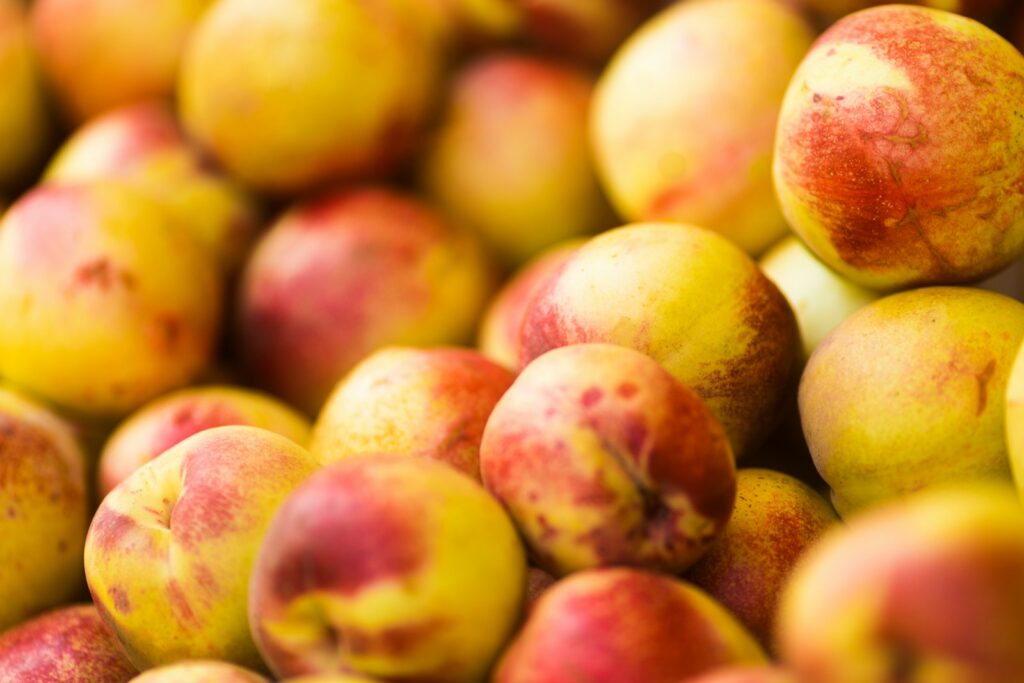
How do you fertilize fruit trees in Texas?

In short: Fertilize most fruit trees in Texas between late February and mid-March, before bud break. Use a nitrogen-dominant fertilizer in early spring and switch to a phosphorus-potassium formula in mid-summer. Soil pH above 7.0 — the norm across Central Texas — suppresses iron, zinc, and manganese uptake, so micronutrient supplementation is often more important than NPK rates alone. Why Texas Soil and Climate Change Everything About Fruit Tree Fertilization Fertilizing a fruit tree in Austin is not the same as fertilizing one in California, Georgia, or the Pacific Northwest. The advice you find in most gardening books was written for loamy, moderately acidic soils with mild summers. Texas, particularly Central Texas and the Hill Country, operates on different rules. The dominant soil types in the Austin metro and surrounding areas — alkaline black clay (Houston Black series), shallow limestone-based soils, and caliche-heavy profiles — present three problems that cascade into everything else: These three conditions mean that Texas fruit tree fertilization is not just about adding nutrients. It’s about making nutrients accessible in a hostile soil chemistry environment, at the right time in the tree’s growth cycle. If you’ve ever wondered why your peach tree looks yellow and weak despite fertilizing it faithfully, the answer is almost never “not enough fertilizer.” It’s usually pH-driven micronutrient lockout — a problem that more 10-10-10 cannot fix. What Do N, P, and K Actually Do for Fruit Trees? Every bag of fertilizer carries three numbers representing nitrogen (N), phosphorus (P), and potassium (K) by percentage weight. Understanding what each does — and when fruit trees need more of one versus another — is the foundation of a good fertilization program. Nitrogen (N): The Engine of Vegetative Growth Nitrogen drives the production of chlorophyll, amino acids, and new tissue. In practical terms, it’s what makes a fruit tree push long shoots, produce dark green foliage, and fill out its canopy. For fruit trees, you want nitrogen working hardest in late winter through early spring, when the tree transitions from dormancy into active growth. The risk with nitrogen in Texas is timing. Applying high-nitrogen fertilizer after August encourages a flush of tender new growth that gets hit hard by the first cold snap. In Zone 8b and 9a (where most of Central Texas sits), that can mean real frost damage to young wood — especially on citrus. Phosphorus (P): Root Development and Fruit Set Phosphorus supports root system expansion, flower bud differentiation, and the energy transfer process (ATP) that powers cell division during fruit development. Young transplanted fruit trees and trees moving into their first fruiting years benefit most from phosphorus-forward fertilization. The irony in alkaline Texas soil is that phosphorus is often physically present in decent quantities but chemically unavailable because calcium binds it at high pH. This is why a soil test may show adequate phosphorus levels while a tree displays classic phosphorus deficiency symptoms — purplish leaves, weak root growth, delayed flowering. Potassium (K): Fruit Quality, Drought Resistance, and Disease Defense Potassium governs water regulation within plant cells, the transport of sugars from leaves to fruit, and the tree’s ability to resist fungal pathogens and environmental stress. Higher potassium during the late growing season — July through early September — supports fruit sizing, sugar development, and helps the tree harden off before winter. Texas’s heavy clay soils often have reasonable base potassium levels, but sandy soils in the eastern Blackland Prairies or around San Marcos can be potassium-deficient. A soil test is the only reliable way to know. Why Micronutrients Matter More in Texas Than Almost Anywhere Else This is the section that most fertilization guides skip. In Texas, it may be the most important one. Iron Chlorosis: The Most Visible Problem in Central Texas Fruit Trees Iron chlorosis is so common in Austin-area fruit trees that many homeowners assume yellowing leaves between green veins are just how their tree looks. They’re not. Interveinal chlorosis — where leaf tissue turns yellow while veins stay green — is the signature of iron deficiency, and it’s almost always caused by high-pH soil, not by absence of iron in the ground. At pH 7.5 and above, iron converts to ferric oxide compounds that roots cannot absorb. The fix is not to add more iron — it’s to add chelated iron (EDTA or EDDHA chelates) that remains plant-available in alkaline conditions, and ideally to address soil pH long-term through sulfur applications. This process is closely tied to overall tree fertilization management and benefits from professional assessment. Zinc Deficiency: Small Leaves, Poor Fruit Set Zinc deficiency in Texas fruit trees manifests as small, misshapen leaves, shortened internodes (the tree looks bunched and compact), and poor pollination and fruit set. Peaches, pecans, and citrus are especially susceptible. Like iron, zinc becomes insoluble above pH 7.0. Foliar zinc sulfate applications provide faster correction than soil applications in heavily alkaline conditions. Manganese: Reduced in Wet Springs, Critical for Photosynthesis Manganese is involved in chlorophyll synthesis and enzyme activation. Its deficiency looks similar to iron chlorosis but typically appears first on younger leaves rather than older ones — a useful diagnostic distinction. Texas’s alkaline soils suppress manganese availability as reliably as they do iron. Magnesium: Often Leached, Rarely Replaced Magnesium is the central atom in the chlorophyll molecule. When it’s deficient — common in sandy Texas soils or after heavy rainfall seasons — older leaves yellow starting at the edges while the center stays green. Epsom salt (magnesium sulfate) dissolved in water and applied as a drench or foliar spray is an inexpensive, fast-acting correction. When Should You Fertilize Fruit Trees in Texas? (Month-by-Month) The Texas growing calendar does not match the national gardening calendar. Here is how fertilization timing actually breaks down across the Central Texas and Austin region: Month What to Do Why January–early February Hold. Trees are dormant. No fertilizer. Fertilizing dormant trees wastes inputs and risks stimulating early growth vulnerable to late freezes. Late February–March First application: nitrogen-forward fertilizer (e.g. 8-2-4 or 10-6-4). Apply before

5 easiest trees to grow in texas
Blog

5 Easiest Tree To Grow In Texas?

The Live Oak (Quercus virginiana) is often considered the easiest tree to grow in Texas due to its adaptability to various soil types and climates. Known for its resilience and iconic spreading canopy, the Live Oak thrives in the diverse conditions found throughout the state. Texas, with its vast and varied landscapes, demands trees that are not only visually appealing but also capable of thriving in diverse climates and soils. In this comprehensive guide, we’ll explore some of the easiest trees to grow in Texas, shedding light on their characteristics, adaptability, and overall resilience. Live Oak (Quercus virginiana) The Live Oak, scientifically known as Quercus virginiana, stands as a testament to strength and beauty. With its distinctive spreading canopy and evergreen foliage, it adds a touch of majesty to any landscape. Live Oaks are renowned for their adaptability, thriving in a wide range of soil types and climates. Whether in the sandy soils of the coastal areas or the clayey soils further inland, Live Oaks manage to flourish, making them an excellent choice for diverse Texan regions. What sets Live Oaks apart is their resilience to harsh conditions, particularly drought. Once established, these trees require minimal maintenance, making them an ideal choice for those seeking a visually striking yet low-maintenance addition to their landscape. Crape Myrtle (Lagerstroemia spp.) Crape Myrtle trees, belonging to the Lagerstroemia genus, stand out for their vibrant and long-lasting blooms, injecting a burst of color into the Texan scenery. These trees thrive in well-drained soil, making them suitable for the often variable Texan climate. Crape Myrtles exhibit exceptional heat resistance and can endure periods of drought, making them a reliable choice for Texas gardeners. Crape Myrtles are prized for their showy flowers that bloom throughout the summer. The variety of colors and the extended flowering season make them a favorite among Texas residents looking to add a touch of vibrancy to their outdoor spaces. Texas Redbud (Cercis canadensis var. texensis) The Texas Redbud, a variant of the Cercis canadensis species, is a native Texan tree celebrated for its heart-shaped leaves and early spring blossoms. Thriving in well-drained soil and partial shade, the Texas Redbud is adaptable to various Texan landscapes. Its modest size makes it an excellent choice for smaller yards or as an accent tree in larger settings. Beyond its aesthetic appeal, the Texas Redbud provides ornamental value with its attractive seed pods and distinctive heart-shaped leaves. It’s a versatile tree that adds charm to gardens and landscapes. Chinese Pistache (Pistacia chinensis) The Chinese Pistache, scientifically known as Pistacia chinensis, is a deciduous tree known for its stunning fall foliage and overall hardiness. Chinese Pistache trees adapt well to the diverse soil and weather conditions in Texas. They are particularly drought-tolerant once established, making them an ideal choice for xeriscaping projects and water-conscious landscaping. One of the standout features of Chinese Pistache is its vibrant fall foliage, showcasing shades ranging from red to orange. This characteristic makes it a popular choice for those seeking a tree that adds seasonal interest to their landscape. Cedar Elm (Ulmus crassifolia) Cedar Elm, scientifically known as Ulmus crassifolia, is a native Texan tree appreciated for its adaptability and environmental benefits. Cedar Elms are well-known for their resilience to drought, making them a sustainable choice for water-conscious landscaping. They can withstand Texas’ hot and dry climate, proving their hardiness in challenging conditions. Apart from providing shade and beauty, Cedar Elms contribute to biodiversity by supporting various wildlife species. They are suitable for urban landscapes, offering both aesthetic and ecological advantages. Tips for Successful Tree Planting in Texas Before planting, it’s crucial to prepare the soil adequately. Considerations for drainage and soil amendments should be addressed. Planting techniques, such as proper depth and spacing, play a significant role in ensuring the tree’s successful establishment. Watering is a critical factor, especially during the establishment phase. Emphasize deep, infrequent watering to encourage strong root development. Provide maintenance tips, such as pruning and fertilizing, to support the overall health and longevity of the trees. Selecting trees based on their suitability to specific locations is paramount. Factors like sunlight exposure, soil type, and available space should guide the decision-making process. Consider the mature size of the tree to avoid future conflicts with structures or other plants. Conclusion In summary, Live Oak, Crape Myrtle, Texas Redbud, Chinese Pistache, and Cedar Elm emerge as some of the easiest and most resilient trees to grow in the diverse landscapes of Texas. By incorporating these resilient and visually appealing species, individuals can contribute to creating a green and vibrant environment that flourishes in the challenging conditions of Texas. Emphasize the long-term benefits these trees bring to both the aesthetic appeal and ecological balance of the region.

pink and white flowers under blue sky during daytime
Blog, Arborist & Tree Health

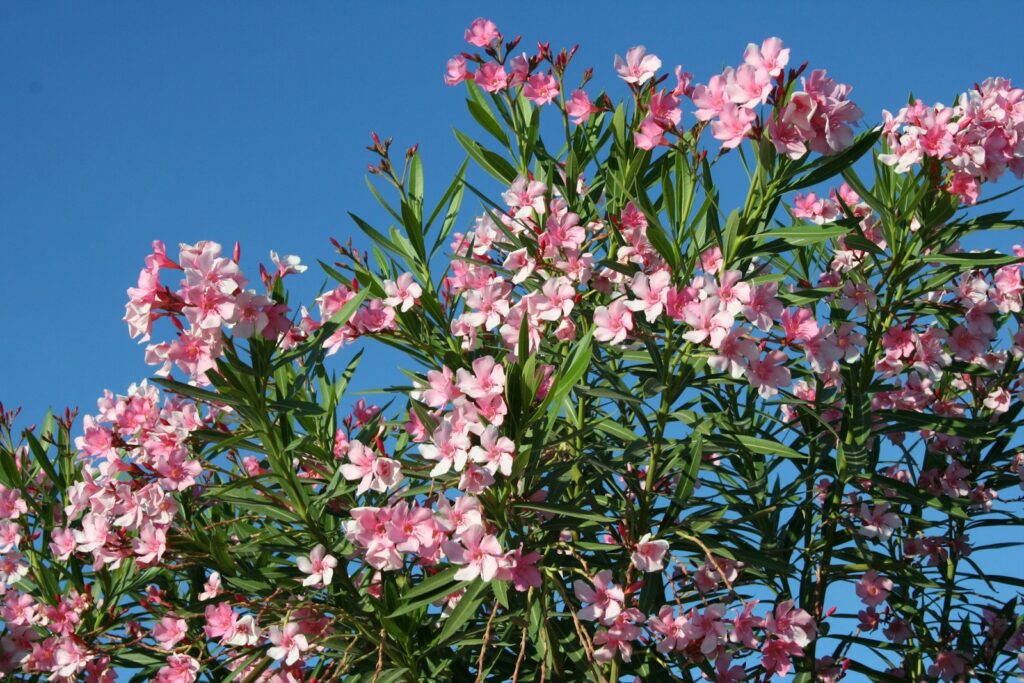
What is the best fertilizer for shrubs in Texas?

The best fertilizer for shrubs in Texas is not a single product — it depends on the shrub species, your soil’s pH, and which part of Texas you’re in. Most Austin-area soils are alkaline with pH levels between 7.5 and 8.5, which means standard balanced fertilizers like 10-10-10 often fail to deliver the results the label promises. Before you spend money on fertilizer, you need to understand why Texas soil works against you — and how to work with it. This guide covers every dimension of shrub fertilization in Texas: soil chemistry, NPK ratios, the specific shrubs most commonly planted in Central Texas landscapes, organic versus synthetic options, timing, application rates, and the signs that tell you something has gone wrong. If you want to skip to a specific section, use the headings below. Why Texas Soil Changes Everything About Shrub Fertilization Texas has more soil diversity than most states. In Central Texas and the Austin metro area, the dominant soil profile is alkaline clay over limestone — known locally as “caliche.” This high-pH environment causes a chemical reaction called nutrient lockout: even when fertilizer is present in the soil, the alkaline chemistry binds iron, manganese, and zinc into forms the shrub’s roots cannot absorb. This is why so many Texas homeowners fertilize their shrubs every season and still see yellowing leaves. The problem is rarely a lack of fertilizer — it’s nutrient availability at the wrong pH. Lowering soil pH through acidifying amendments is often more impactful than adding more NPK. In East Texas, soils shift to acidic sandy loam. In West Texas, you’re dealing with dry, nutrient-poor desert soils. In the Hill Country, shallow rocky soil drains so fast that water-soluble fertilizers leach away before roots can absorb them. None of these conditions respond the same way to the same product. If you haven’t done a soil test in the last two to three years, that is the single most important step before you buy any fertilizer. Texas A&M AgriLife Extension offers soil testing for under $20, and the results will tell you your pH, nutrient levels, and organic matter content — the three numbers that actually determine what your shrubs need. NPK Ratios: What the Numbers on the Bag Actually Mean for Shrubs Fertilizer bags display three numbers — nitrogen (N), phosphorus (P), and potassium (K) — as a ratio of their percentage by weight. A bag labeled 10-10-10 contains 10% nitrogen, 10% phosphorus, and 10% potassium. Understanding what each nutrient does helps you choose the right ratio for your shrubs’ current growth stage and condition. Nitrogen and Shrub Foliage Nitrogen drives leaf and stem growth. It is the nutrient most responsible for the deep green color in healthy foliage. Shrubs that look pale green or yellow, are producing fewer leaves than usual, or have slowed their growth significantly are usually nitrogen-deficient. However, too much nitrogen in alkaline Texas soils leaches quickly and can push excessive leafy growth at the expense of root development and flowering. Phosphorus and Root Development Phosphorus supports root development and flowering. It is most critical in the first year after planting when shrubs need to establish a strong root system. In most Texas soils — particularly in the Austin area — phosphorus is naturally sufficient or even elevated, meaning you often do not need to add it. A soil test will confirm this. Applying unnecessary phosphorus in clay-heavy soils contributes to runoff and does not benefit your shrubs. Potassium and Stress Resistance Potassium helps shrubs manage heat stress, drought, and disease resistance. In a state with 100°F summers and periodic drought, potassium is arguably the most important nutrient for long-term shrub survival in Texas. Shrubs with adequate potassium hold up better through the brutal July-August heat window and recover faster from dry spells. What NPK Ratio Is Best for Texas Shrubs? For established shrubs in alkaline Central Texas soils, a fertilizer with a higher nitrogen-to-phosphorus ratio and elevated potassium tends to perform best. A formulation like 16-4-8 or 15-5-10 is more appropriate than a balanced 10-10-10 for most Austin-area shrubs because it reflects what the soil actually lacks. If your soil test shows adequate phosphorus — which is common in Texas — avoid high-phosphorus fertilizers entirely. For acid-loving shrubs like azaleas and gardenias, use a fertilizer specifically formulated for acid-loving plants. These products contain ammonium-based nitrogen sources that acidify the soil slightly as they break down, gradually lowering pH around the root zone. The Most Common Shrubs in Texas and Their Specific Fertilizer Needs Not all shrubs have the same nutritional requirements. Treating every shrub in your landscape identically is one of the most common fertilization mistakes Texas homeowners make. Here are the most frequently planted shrubs in Central Texas and what each one actually needs. Texas Sage (Leucophyllum frutescens) Texas sage — also called cenizo or purple sage — is a native shrub that evolved in the alkaline, nutrient-poor soils of the Chihuahuan Desert. It actively dislikes rich fertilizer. Over-fertilizing Texas sage produces leggy, floppy growth and significantly reduces flowering. If you must fertilize it, apply a light application of a low-nitrogen, balanced fertilizer once in early spring — and only if the shrub appears stressed. Most healthy Texas sage in native soil needs no supplemental fertilizer at all. Indian Hawthorn (Rhaphiolepis indica) Indian hawthorn is one of the most commonly planted landscape shrubs in Austin and the surrounding suburbs. It tolerates alkaline soil reasonably well but benefits from an annual application of a slow-release fertilizer in early spring. A 15-5-10 or similar formulation applied at the base — not against the stem — promotes healthy foliage and flowering. Indian hawthorn is susceptible to Entomosporium leaf spot disease, and over-fertilizing with nitrogen can worsen disease pressure by pushing tender growth that the fungus colonizes easily. Loropetalum (Loropetalum chinense) Loropetalum, with its burgundy-purple foliage and hot-pink fringe flowers, has become one of the most popular shrubs in Texas landscapes. It prefers slightly acidic soil but is planted in Austin’s alkaline clay

fertilizing trees in texas
Blog, Arborist & Tree Health

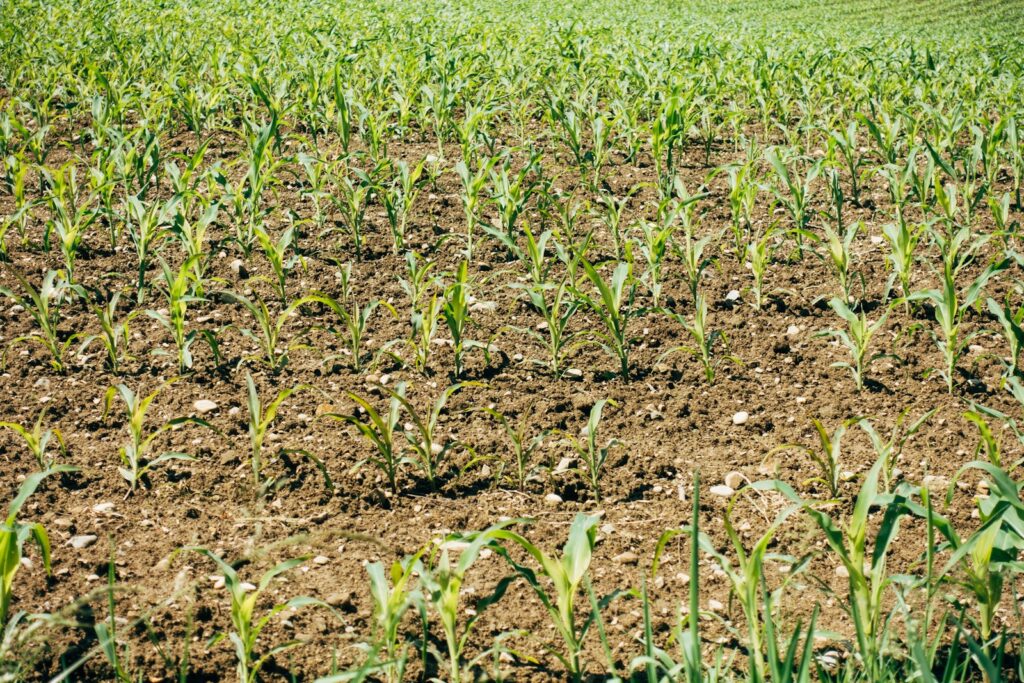
How Do You Fertilize Trees In Texas?

Fertilizing a tree in Texas is not the same as fertilizing a tree anywhere else in the country. The soil chemistry is different. The heat behavior is different. The drought cycles are different. And the trees that grow here — live oaks, cedar elms, pecans, Texas ash — have adapted to lean conditions that most fertilization advice from national sources completely ignores. Most Texas homeowners either fertilize too much, at the wrong time, with the wrong formula — or they skip fertilization entirely because the tree “looks fine.” Both approaches cost trees their health over time, and in some cases, they accelerate decline in ways that only become visible years later. This guide covers how fertilization actually works in the Texas environment: what your soil is doing, what your tree is signaling, which nutrients matter and which ones cause harm, and how to apply fertilizer in a way that supports long-term structural health rather than triggering a short-term flush of growth that weakens the tree. Why Texas Trees Have Different Fertilization Needs Than Trees in Other States Texas soils are predominantly alkaline. Across the Hill Country, Austin, and the Central Texas corridor, limestone-derived soils push pH levels above 7.5 — often reaching 8.0 or higher. At that pH range, critical micronutrients like iron, manganese, and zinc become chemically locked in the soil. They are physically present, but in forms the tree cannot absorb through its roots. This is the reason you see chlorosis — yellowing between leaf veins — on otherwise healthy-looking live oaks and red oaks throughout Austin neighborhoods. The tree is not iron-deficient because the soil lacks iron. It is iron-deficient because the soil’s alkalinity has converted available iron into insoluble compounds that root hairs cannot take up. In East Texas, the dynamic reverses. Sandy, acidic soils drain quickly, leach nitrogen rapidly, and create genuine deficiencies in phosphorus and potassium. A fertilizer formula appropriate for a live oak growing on caliche in Cedar Park would be entirely wrong for a loblolly pine growing in sandy loam near San Marcos. The other factor that separates Texas tree fertilization from standard advice is the climate stress cycle. Texas trees regularly experience summer temperatures above 100°F combined with extended drought. Under those conditions, trees shift into a defensive metabolic mode — they slow growth, reduce water uptake, and prioritize root function over canopy expansion. Applying nitrogen-heavy fertilizer during this stress window pushes the tree to produce new leaf tissue at exactly the moment it has the least capacity to support it. That new growth is weak, vulnerable to insects, and increases the tree’s overall water demand during the season when water is most scarce. Understanding these Texas-specific dynamics is the foundation of effective fertilization. Everything else — timing, formula, application method — follows from this baseline understanding of soil chemistry and seasonal stress patterns. If you want to understand how summer heat affects tree health beyond just fertilization, that broader physiological picture matters here too. What Nutrients Do Trees in Texas Actually Need? Trees require 17 essential nutrients for healthy growth. Three are provided by air and water — carbon, hydrogen, and oxygen. The remaining 14 must come from the soil, and their availability in Texas soils varies significantly by location. Macronutrients: Nitrogen, Phosphorus, and Potassium (N-P-K) Nitrogen drives vegetative growth — leaf size, canopy density, and shoot elongation. It is the nutrient most rapidly depleted from Texas soils because it leaches downward with rainfall and irrigation. However, nitrogen is also the nutrient most commonly over-applied by homeowners and lawn care companies, and excess nitrogen in mature trees creates more problems than it solves. Rapid, forced growth from high-nitrogen applications produces structurally weak wood with wider growth rings and lower density — wood that is more susceptible to wind failure and branch breakage. Phosphorus supports root development and flowering. Texas soils, particularly those with high calcium carbonate content from limestone, tend to fix phosphorus in forms that are unavailable to trees. The soil may test high in total phosphorus while being functionally phosphorus-deficient. Mycorrhizal fungi — naturally present in healthy, undisturbed soils — are the most effective mechanism for improving phosphorus uptake in alkaline Texas soils, which is why soil disturbance from construction and landscaping so dramatically affects tree health. Potassium regulates water movement within the tree’s vascular system. It strengthens cell walls and improves drought tolerance — a critical function for trees growing in the Texas climate. Potassium deficiency appears as leaf edge scorch, particularly on the older leaves toward the interior of the canopy. In sandy soils, potassium leaches rapidly and must be replenished more frequently. Secondary Macronutrients: Calcium, Magnesium, and Sulfur Calcium is abundant in Texas soils — often excessively so. The high calcium content from limestone dissolution is precisely what drives the alkaline pH that locks out other nutrients. Calcium itself is rarely deficient, but its excess indirectly causes widespread micronutrient deficiencies. Magnesium is a component of chlorophyll — the molecule responsible for photosynthesis. Magnesium deficiency causes interveinal chlorosis, particularly on older leaves, and is sometimes confused with iron deficiency. In Texas, elevated calcium levels can competitively displace magnesium uptake even when soil magnesium levels appear adequate. Sulfur, often overlooked, plays a role in protein synthesis and helps acidify the root zone in alkaline soils. Sulfur-containing fertilizers — elemental sulfur, ammonium sulfate — can temporarily lower soil pH around the root zone and improve micronutrient availability. This is why some arborists recommend sulfur applications as part of iron chlorosis management programs in Central Texas. Micronutrients: The Ones Texas Soils Actually Need More Of Iron, manganese, and zinc are the three micronutrients most consistently deficient in Central Texas trees — not because the soils lack them in total quantity, but because alkaline pH converts them to chemically unavailable forms. Iron deficiency produces the classic interveinal chlorosis of live oaks and red oaks — a yellowing of leaf tissue between the veins, while the veins themselves remain green. Severe iron deficiency causes stunted new growth, twig dieback, and

how to grow grass after tree removal
Blog

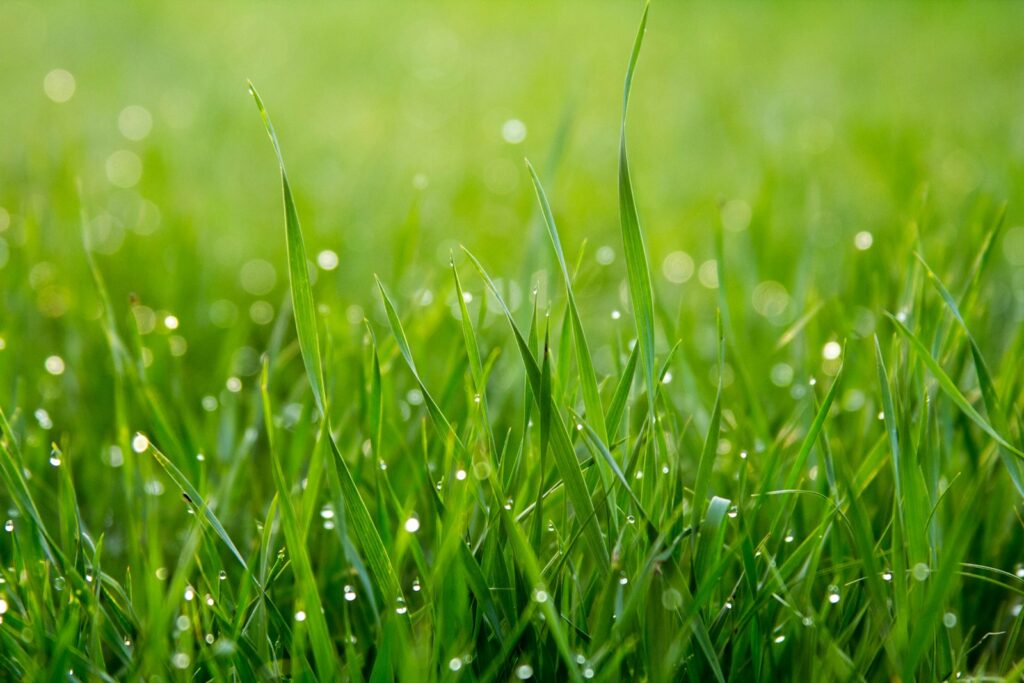
7 Steps To Grow Grass Faster After Tree Removal

Achieving a lush and vibrant lawn post-tree removal requires careful consideration and strategic planning. As trees are removed, they leave behind a blank canvas for a renewed outdoor space. Reseeding the area and selecting the right grass seed varieties are crucial steps, but equally important is providing the necessary fertilizers and amendments to promote healthy grass growth. In this guide, we’ll delve into the recommended fertilizers and amendments for optimal grass development, ensuring a successful transformation of your outdoor landscape. Steps to Grow Grass After Tree Removal Best Grass Seed Varieties for Reseeding After Tree Removal Reseeding after tree removal involves selecting the right grass seed varieties to ensure a lush and harmonious lawn. The choice of grass seed is influenced by factors such as climate, soil conditions, and the overall aesthetic you desire. Coastal Luxury Outdoors, with Rafi Friedman at the helm, offers valuable insights into the best grass seed varieties for reseeding after tree removal. Kentucky Bluegrass (Poa pratensis) Known for its fine texture and rich green color, Kentucky Bluegrass is a popular choice for reseeding. It establishes a dense and visually appealing lawn, making it an ideal option for residential landscapes. Well-suited for cooler climates, Kentucky Bluegrass thrives in areas with moderate temperatures and receives ample sunlight. Fescue (Festuca spp.) Fescue varieties, including Fine Fescue and Tall Fescue, are known for their durability and shade tolerance. Fine Fescue, in particular, offers a fine texture, while Tall Fescue is hardy and adaptable. Fescue varieties are versatile and can thrive in a range of climates, making them suitable for various reseeding projects. Perennial Ryegrass (Lolium perenne) Perennial Ryegrass is prized for its rapid germination and establishment, providing quick coverage to the reseeded area. It boasts a lush, emerald-green appearance. Well-suited for both cool and transitional climates, Perennial Ryegrass is a versatile choice for reseeding projects. Bermuda Grass (Cynodon dactylon) Bermuda Grass is celebrated for its heat tolerance and resilience. It forms a dense, drought-resistant lawn with a fine texture, making it an excellent choice for sunny locations. Best suited for warm climates, Bermuda Grass thrives in areas with plenty of sunlight and well-drained soil. Fine-Leaf Fescues (Festuca spp.) Fine-leaf fescues, including Creeping Red Fescue and Chewings Fescue, offer a fine texture and shade tolerance. They contribute to a lush and soft lawn appearance. Well-suited for cooler climates and shaded areas, Fine-Leaf Fescues are an excellent choice for reseeding projects where a finer texture is desired. Fertilizers for Optimal Grass Growth Post-Tree Removal Additional Considerations A. Potential Challenges and Solutions: While the outlined steps provide a comprehensive guide, the process of growing grass after tree removal may encounter challenges. Uneven terrain, unexpected soil conditions, or weather fluctuations can impact the success of grass establishment. B. Ideal Timing for Grass Planting: Timing plays a crucial role in the success of grass planting after tree removal. Coastal Luxury Outdoors can provide insights into the ideal timing based on local climate conditions, ensuring optimal conditions for grass germination and growth. Whether it’s the right season or specific weather patterns to consider, their expertise helps homeowners make informed decisions, maximizing the chances of a thriving lawn. C. Rafi Friedman’s Expertise: Rafi Friedman, as the President of Coastal Luxury Outdoors, brings a wealth of expertise to the realm of landscaping. Beyond the specific steps for growing grass after tree removal, his guidance encompasses a broader understanding of outdoor space transformation. From selecting the right plant varieties to crafting sustainable and visually pleasing landscapes, Friedman’s expertise serves as a cornerstone for the comprehensive services offered by Coastal Luxury Outdoors. Conclusion In conclusion, growing grass after tree removal is a meticulous process that requires careful planning and execution. Coastal Luxury Outdoors, under the leadership of Rafi Friedman, provides invaluable guidance to make this transformation smooth and successful. Whether you’re dealing with soil acidity, settling issues, or choosing the right grass seed, their expertise ensures your outdoor space thrives with lush greenery.

Scroll to Top