Uprooted Trees: Immediate Risks and Next Steps
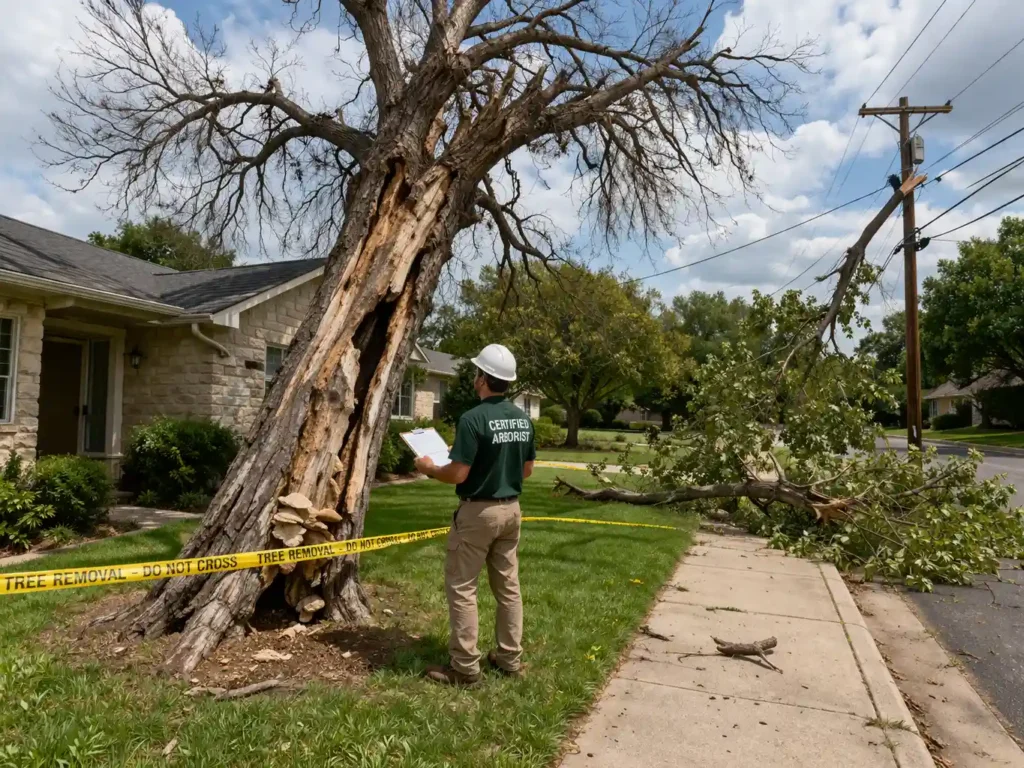
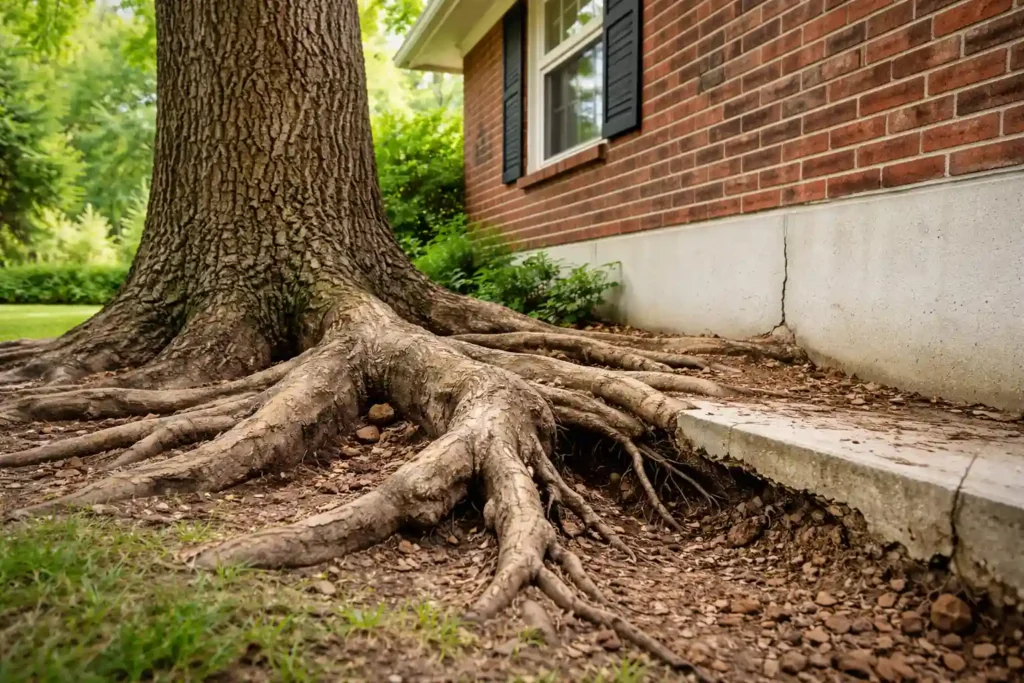
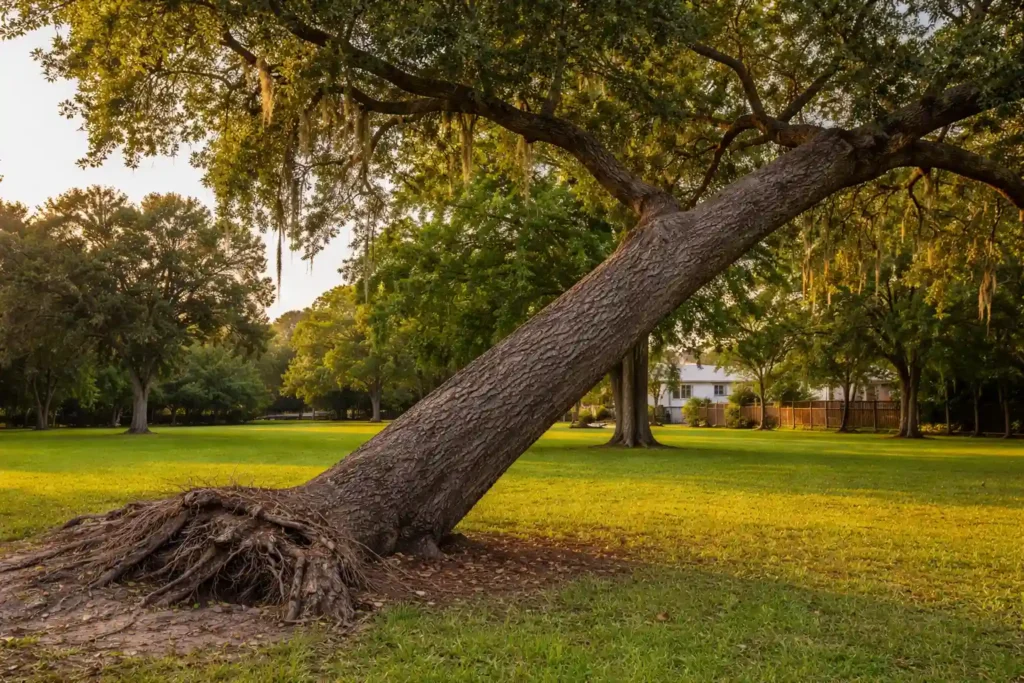
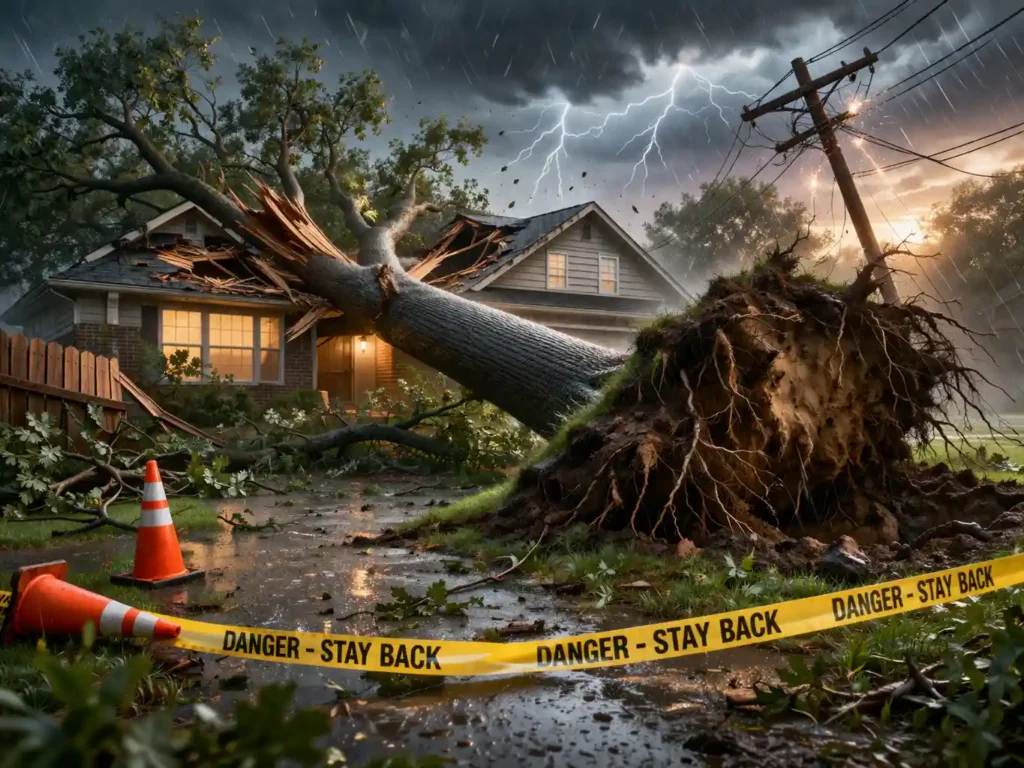
When a tree uproots, most homeowners focus on what they can see — the fallen trunk, the exposed root ball, the crushed fence. What they miss is everything happening beneath that scene: underground utilities under tension, soil voids filling with gas or water, a root plate that hasn’t finished moving yet. An uprooted tree is not a finished event. It is an active, ongoing structural failure that changes by the hour, especially in Austin’s expansive clay soils where ground conditions shift dramatically after storm rainfall. This guide covers the full picture — what causes root failure, what the real immediate risks are (including the ones nobody talks about), how to assess whether your tree has any chance of survival, and the exact sequence of decisions you need to make from the moment you discover the tree is down to the moment a crew finishes the job. What Distinguishes an Uprooted Tree From Other Tree Failures Tree failures happen in three structural modes: crown failure (branches break), stem failure (the trunk snaps), and root failure (the tree pulls out of the ground). Uprooting is root failure, and it is categorically different from the other two because the failure point is below grade — underground, invisible, and connected to infrastructure you cannot see. When a branch breaks, the damage is limited to what falls. When a trunk snaps, the root system stays anchored. But when a tree uproots, the entire root plate — which can weigh tens of thousands of pounds on a mature Texas live oak — rotates upward, pulling soil with it, leaving a crater, and placing enormous tension on anything that was rooted nearby: utility lines, irrigation pipes, gas mains, foundation footings. There are two distinct uprooting patterns arborists recognize. Whole root plate failure means the tree lifts cleanly with the entire root mass — the root ball comes up as a unit, sometimes leaving a cavity three to six feet deep. Root system failure means the roots themselves snap or rot through at different depths, and the tree falls while parts of the root system remain in the ground. The second type is actually more dangerous for underground infrastructure because the snapping creates tension spikes across a wider subsurface area. Understanding which type you are dealing with matters when assessing replanting feasibility and when calling utilities for inspection. Why Trees Uproot: The Root Causes Behind Root Failure Uprooting rarely has a single cause. What looks like “the storm knocked it over” is almost always the final load applied to a root system that was already compromised. The storm gets the credit; the real culprits have usually been at work for years. Soil Saturation and Loss of Root Anchorage Tree roots anchor in soil through friction and mechanical interlocking with soil particles. When soil becomes saturated, the friction coefficient drops dramatically. A root system that could resist 80 mph winds in dry conditions may fail under 45 mph winds when the soil is fully saturated. In Austin, where Blackland Prairie clay dominates many neighborhoods, this effect is amplified — clay absorbs water slowly but holds it for extended periods, so the soil can remain near-saturated for days after a major storm event. This is why uprooting events in Central Texas are clustered not at the peak of a storm but often in the 24 to 48 hours after, when cumulative rainfall has fully saturated the soil horizon where most structural roots live. Root Zone Damage From Construction and Hardscaping The critical root zone of a tree — the area where most structural and feeder roots reside — extends roughly one to 1.5 times the drip line radius. In mature trees, this can reach 40 to 60 feet out from the trunk. Any excavation, trenching, compaction from heavy equipment, or paving within this zone can sever structural roots without any visible symptom appearing in the canopy for two to five years. Austin has experienced significant urban development and neighborhood expansion over the past decade. Trees near newer construction, expanded driveways, new fencing installs, or utility trench work should be considered higher-risk candidates for uprooting — even if they appear completely healthy. Root Decay From Fungal Disease Several fungal pathogens attack tree root systems in Texas and cause wood rot that looks solid from the outside but has no structural strength. Armillaria root rot, Ganoderma root rot, and Phytophthora root rot are all present in Central Texas and can hollow out the structural root system of a tree over years without producing obvious canopy symptoms until catastrophic failure occurs. Mushrooms or conk-shaped fungal bodies at the base of a tree are a critical warning sign. By the time these fruiting bodies appear, the internal root and butt decay is usually extensive. A certified arborist can probe and sound the root collar and base to detect internal decay that is not visible externally. Species Biology and Root Architecture Not all trees anchor the same way. Deep taprooted species like pecans resist uprooting well. Laterally rooted species — including many ornamental trees and some fast-growing species commonly planted in Austin neighborhoods — have shallower root systems that provide less vertical anchorage. When combined with Austin’s shallow limestone rock ledge in western neighborhoods (where soil depth above rock may be only 8 to 18 inches), even healthy trees can uproot because there is simply not enough soil depth for root systems to develop adequate anchorage. Defect at the Root Collar The root collar — the flared zone where trunk meets root system — is a common site of hidden structural failure. Girdling roots (roots that grow circularly and compress the root collar), deep planting that buries the collar, and soil piled against the base of the trunk can all weaken this critical transition zone. A tree planted too deeply, or with soil mulched up against the bark, is silently developing root collar rot that will eventually result in structural failure at the base. The Real Immediate Risks of an Uprooted Tree Every discussion