How Arborists Assess Tree Health
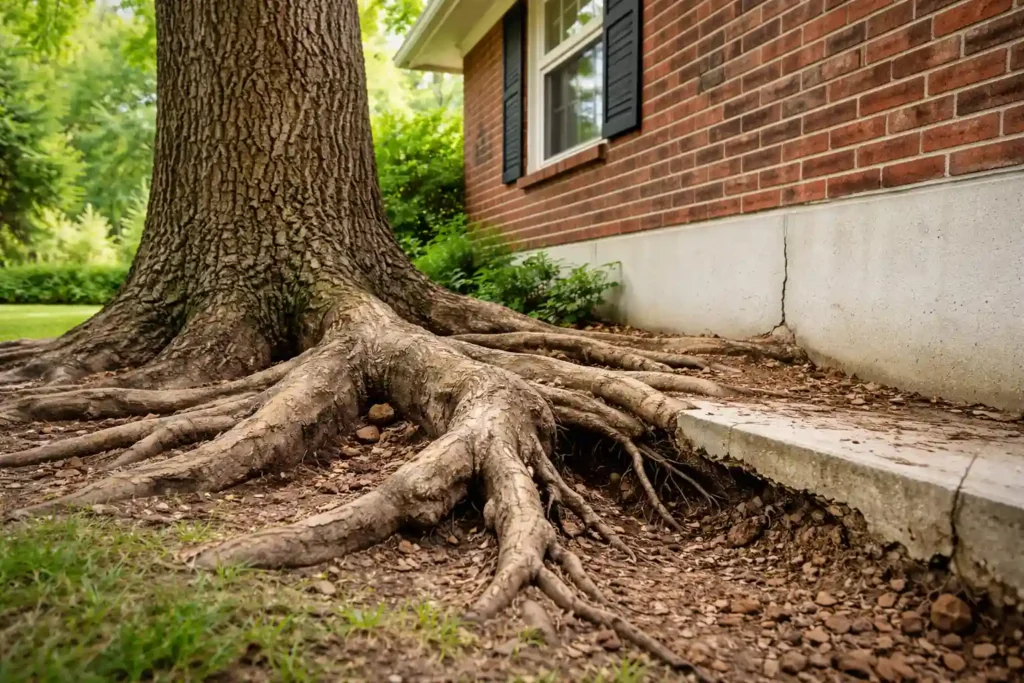
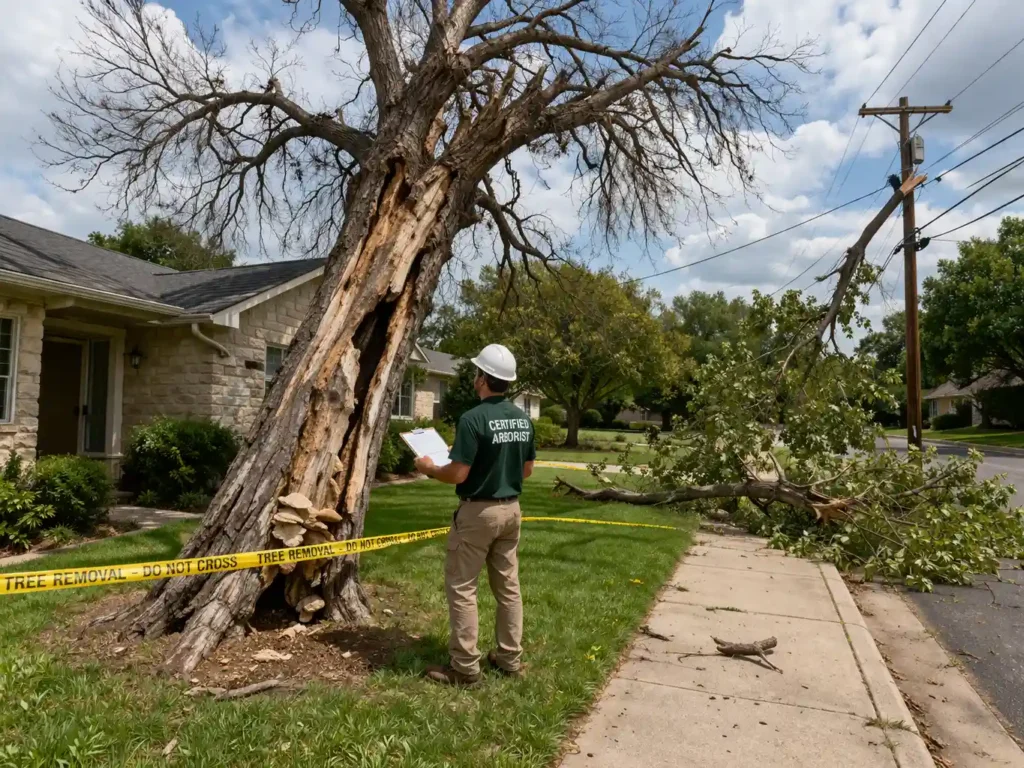
A tree health assessment is not a single act — it is a layered diagnostic process that moves from the soil outward, from the visible to the measurable, and from observation to risk classification. When a certified arborist evaluates a tree, they are not simply looking for obvious problems. They are reading a living system under pressure from multiple directions at once: structural load, vascular function, disease, pest activity, soil chemistry, and the accumulated effects of past injuries. For homeowners in Austin, understanding what this process involves matters — not just intellectually, but practically. Trees in Central Texas face a specific set of stressors: prolonged summer heat, expansive clay soils that shrink and swell with moisture change, the persistent threat of Oak Wilt, and increasingly severe storm seasons. The arborist standing in front of your Live Oak is not running a generic checklist. They are applying expertise to a specific organism in a specific environment, with specific failure risks. This guide explains how that evaluation actually works — what arborists examine, which tools they use, how they interpret what they find, and what the findings mean for you as a property owner. What Is a Tree Health Assessment? A tree health assessment is a structured evaluation of a tree’s biological condition, structural integrity, and risk profile. The output of a complete assessment is not a simple pass or fail — it is a risk classification paired with a set of care recommendations that range from observation to immediate intervention. Certified arborists follow evaluation protocols established by the International Society of Arboriculture (ISA) and the ANSI A300 standards — the published industry standards for tree care operations in North America. A formal written assessment, the kind used in legal or insurance contexts, follows the ISA’s Basic Tree Risk Assessment framework. Informal assessments conducted during routine service visits follow the same principles but may not produce a written report. The distinction between a quick visual inspection and a formal diagnostic assessment matters. A drive-by glance at your tree’s canopy might identify obvious defoliation. A complete health assessment will also catch the girdling root slowly strangling the trunk below grade, the early-stage fungal decay inside a structurally critical crotch, and the soil compaction that has been suppressing root development for a decade. The difference is systematic method. How Arborists Begin: The Outside-In Approach The assessment does not begin at the trunk. It begins at the outer edge of the drip line — the ground zone beneath the outermost extent of the canopy — and works inward. This outside-in approach is one of the most important structural features of a professional evaluation, and skipping it is one of the most common errors in informal inspections. Starting at the drip line allows the arborist to evaluate the root zone environment before examining the tree itself. Soil heaving, grade changes from landscape modifications, paving over root zones, evidence of soil compaction from foot traffic or equipment, and fungal fruiting bodies near the root perimeter all tell a story about what is happening below ground. By the time the arborist reaches the trunk, they already have a hypothesis about what stressors have been acting on the root system. In Austin’s residential neighborhoods — particularly in older areas with established canopy trees — grade changes from additions, driveways, and landscaping renovations are among the leading causes of slow-onset root system decline. Many homeowners associate these symptoms with disease or drought. The real cause often sits six inches underground and was installed during a home improvement project ten years prior. Canopy Assessment: What Arborists Look For Above Canopy evaluation examines crown density, leaf size, leaf color, branch architecture, and the presence and pattern of dieback. Each of these indicators provides a different type of information, and they are read together — not individually. Crown Density and Leaf Development A healthy canopy in Austin should show foliage that is full, appropriately sized for the species, and consistent in color across the crown. Arborists use species-specific baselines: a healthy Live Oak (Quercus fusiformis) in late spring looks different from a healthy Cedar Elm (Ulmus crassifolia), and both look different from a stressed version of themselves. Undersized leaves — sometimes called “mouse-ear” foliage — signal chronic vascular stress. The tree cannot move enough water and nutrients to support full leaf development. This symptom often appears years before obvious structural decline becomes visible, making early recognition critically important. Dieback Patterns Crown dieback — the progressive death of branch tips from the outside of the canopy inward — is one of the most diagnostically informative symptoms an arborist encounters. The pattern of dieback reveals its likely cause: A dieback percentage above 25–30% of the canopy typically indicates a tree requiring urgent evaluation. Above 50%, prognosis becomes significantly more guarded. Knowing the signs that a tree cannot be saved often begins with understanding what these dieback thresholds mean in practice. Epicormic Growth as a Stress Signal Epicormic sprouts — clusters of small shoots erupting from the trunk or major scaffold branches — are not a sign of vigor. They are a stress response. A tree producing epicormic growth is attempting to regenerate vascular capacity that it has lost elsewhere, whether from canopy removal, root damage, or systemic disease. Recognizing tree stress symptoms early allows for intervention before the decline becomes irreversible. Trunk Assessment: Visual, Tactile, and Acoustic Methods Trunk assessment combines what arborists can see, feel, and hear. The trunk is the structural core of the tree — the column that supports the entire canopy weight and the conduit through which water, nutrients, and photosynthates move. Defects in the trunk have disproportionate consequences for the tree’s survival and structural safety. Visual Examination Arborists examine the full trunk circumference for: Sounding: The Mallet Test Sounding is the practice of tapping the trunk with a rubber mallet and listening to the resonance. Solid wood produces a sharp, dense sound. Wood with internal decay or voids produces a hollow, dull resonance. By systematically working around and up